Projects
Hydralist
HydraList, a new concurrent, scalable, and high performance in-memory index structure for massive multi-core machines. The key insight behind our design of HydraList is that an index structure can be divided into two components (search and data layers) which can be updated independently leading to lower synchronization overhead. By isolating the search layer, we are able to replicate it across NUMA nodes and reduce cache misses and remote memory accesses. As a result, our evaluation shows that HydraList outperforms other index structures especially in a variety of workloads and key types. Paper presented in VLDB 2020
MVRLU
Multi-Version Read-Log-Update is a synchronization mechanism that extends RLU using mutli-versioning, while preserving the benefits of RLU like multi-pointer update, a simple & intuitive programming model, and good performance for read-mostly workloads. MV-RLU alleviates problems such as high contention of global clock (using a hardware clock-based timestamp); slow read performance with an autonomous garbage collector design, and slow garbage collection with a concurrent garbage collector design that are ubiquitous to most MVCC designs. As a result, MV-RLU outperforms other synchronization mechanisms in a variety of workloads and shows unmatched scalability even in write-intensive workloads. Paper present in ASPLOS 2019
Key Value Store on FPGA
During my time at Reniac, I wrote a key value store on FPGA which was loosely based on research at ETH Zurich. The project was demoed at Cassandra Summit 2016. Here is a video by one of the participant.
HDMI2USB
I contributed to the Tim’s Video Project as part of Google Summer of Code 2014. The org is trying to create open soure solution for live streaming and recording of conference. As part of my project, I worked on the improving the frame rate of HDMI2USB, a FPGA based video capture device. At the end of the summer, I was able to improve the frame rate from 10 fps to 30 fps (and hence making it usable). My project was showcased by my mentor, Joel Stanley , at linux.conf.au 2015. The video of his talk can be found here.
CANSAT 2014
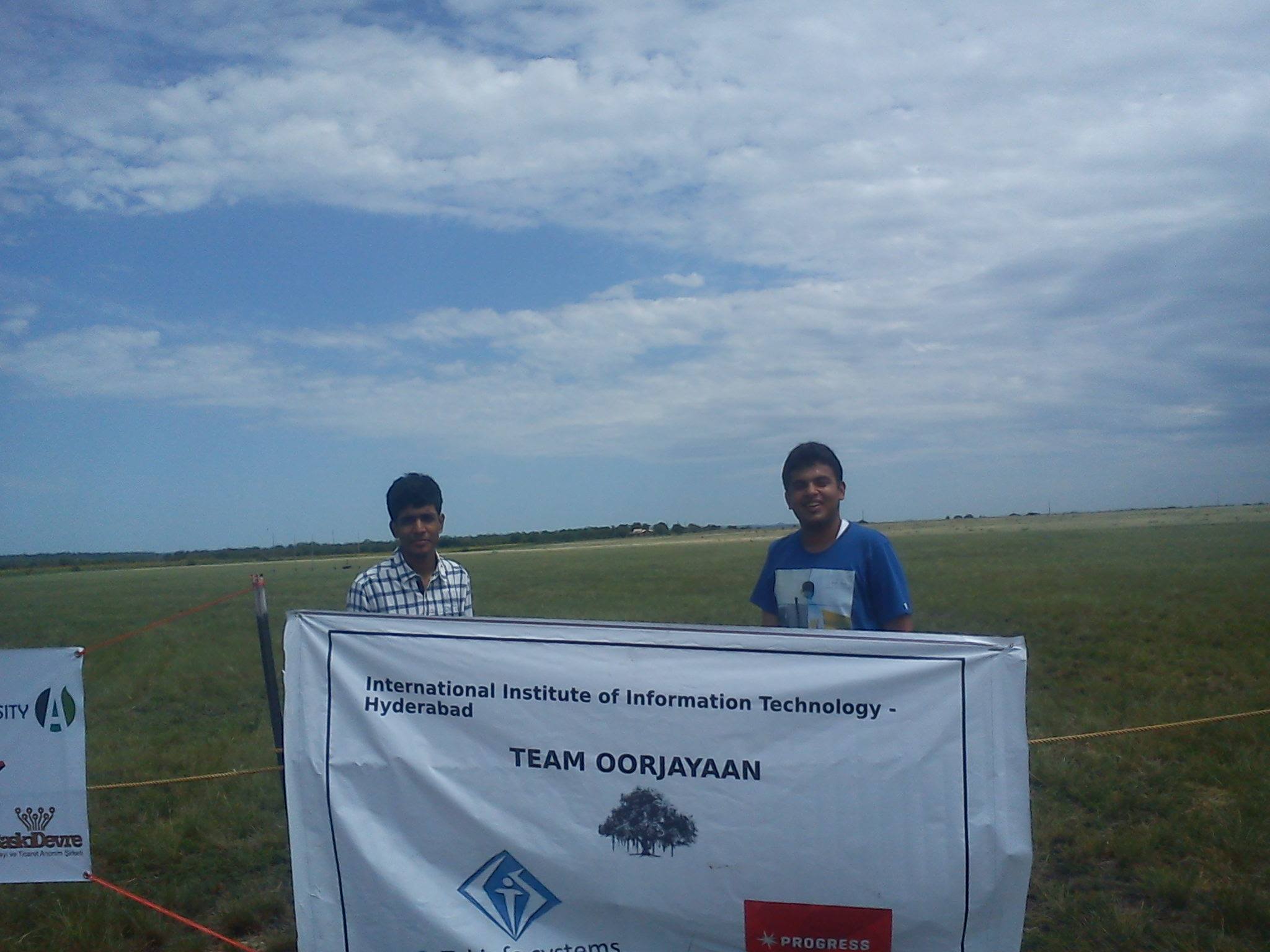
CANSAT is a mini-satellite building competition sponsored by NASA. I worked as system programmer for Oorjayaan, IIIT’s entry to CANSAT 2014.